
Payroll thresholds · updated for 2026
The Social Security wage base and payroll tax thresholds
Social Security tax stops at an annual wage cap, and that stop shows up in your take-home pay partway through the year. Here is how the cap works for 2026 and what to check when it lands.
2026 wage base
$184,500
Social Security tax above the cap
$0.00
The annual limit
What the wage base is
The Social Security wage base is the annual limit on wages subject to Social Security tax. Employers and employees each pay a set percentage up to that limit. Once an employee's year-to-date earnings reach the cap, no further Social Security tax is withheld for that year. Medicare has no such cap, so that withholding continues on all covered wages.
In practice the cap behaves like a ceiling on one line of your paystub, not on your paycheck. Salary, bonus and overtime all count toward the same year-to-date total, and the ceiling resets every January when the new figure takes effect. Nothing else about your pay changes when you cross it — the withholding simply stops.
The 2026 threshold
The 2026 figure and what it means
For 2026, employer guidance places the wage base at $184,500. That number is the threshold, not a tax rate. It applies per employee, per year, and it resets each January. If you earn above it, your Social Security withholding stops partway through the year. If you earn below it, the tax applies to all your covered wages.
| Annual salary | Social Security tax reaches the cap |
|---|---|
| Below $184,500 | Does not reach the cap |
| At $184,500 | At year-end |
| Above $184,500 | Partway through the year |
Table compares annual salary against the 2026 wage base only. Medicare withholding and federal income tax follow separate rules.
Why your net pay can rise midyear
Once you cross the wage base, the Social Security line on your paystub drops to zero, and your net pay increases even though your salary did not change. This often surprises higher earners who notice a larger deposit in the fall. It is not a raise; it is the cap taking effect. The same logic applies to anyone whose cumulative earnings cross the threshold before year-end.
What changes on the paystub
Social Security withholding falls to zero for the rest of the year.
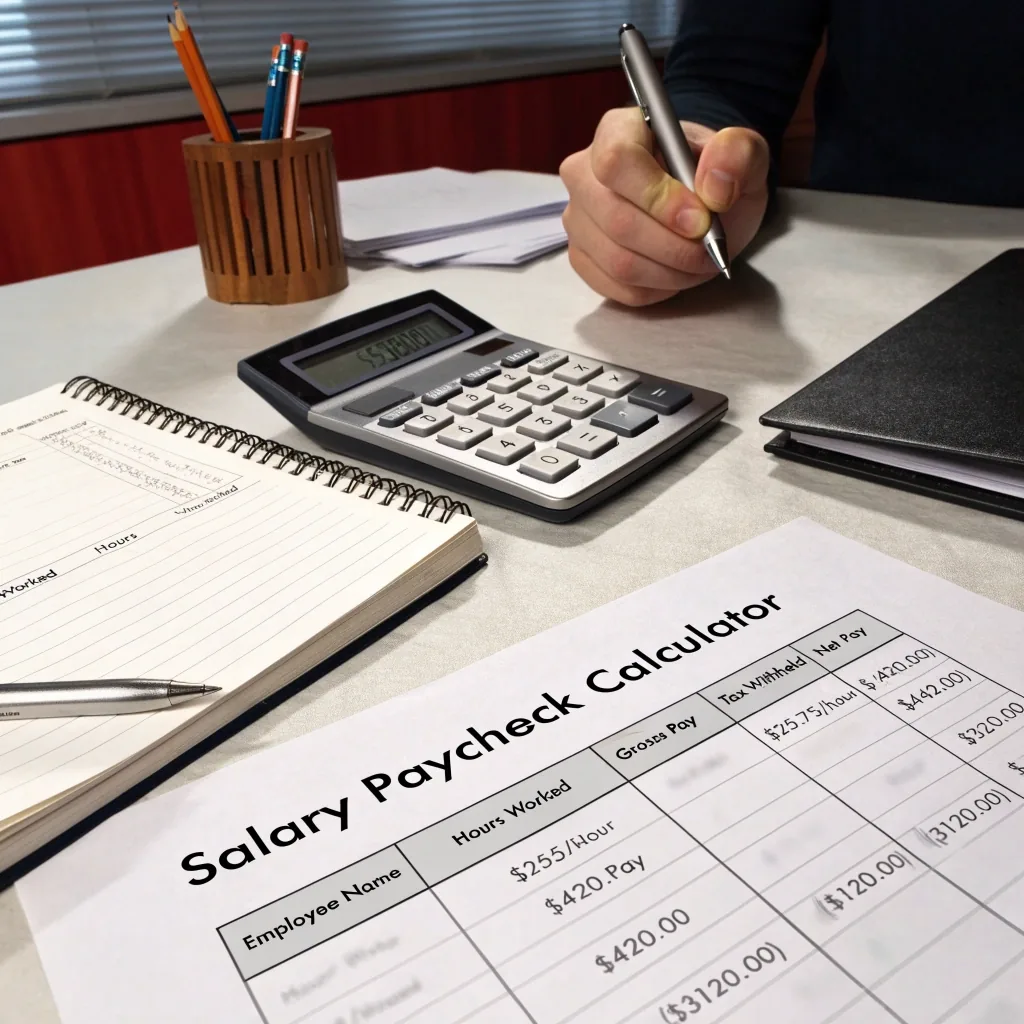
Year-to-date tracking
How payroll systems handle the cap
Payroll software must track year-to-date Social Security wages for each employee and stop withholding once the cap is reached. If the system does not, it will over-withhold and create a correction later. Good platforms flag the threshold automatically, which is one reason employers use payroll software rather than spreadsheets. The wage base is a standard benchmark in gross-to-net pay explanations.
What good tracking looks like
- A running year-to-date total for each employee, updated with every pay run.
- An automatic stop on Social Security withholding the moment the cap is crossed.
- A record of the date the cap was reached, so a midyear pay change can be explained.
Two employers, one cap
Multiple jobs and the cap
If you work two jobs, each employer tracks the cap separately. Neither may know about the other, so combined earnings can exceed the wage base and lead to over-withholding. You can address this through your W-4 or when you file your return. The cap applies to your total wages, but each employer withholds based on what it sees.
One employer
The cap is tracked against that single payroll, so withholding stops cleanly once the threshold is reached.
Cap tracked in full
Two employers
Each tracks its own payroll only, so the combined total can pass the cap and over-withhold on Social Security.
Cap split between them
Fixing it
Adjust your W-4 with one employer, or reconcile the excess when you file your annual return.
Handled at filing
The other half of FICA
Medicare is different
Medicare tax has no wage cap. It applies to all covered wages, and an additional Medicare rate applies above a threshold based on filing status. That means even after Social Security withholding stops, Medicare continues.
Social Security
Stops at the annual wage base, then stays at zero for the rest of the year.
Stops at $184,500
Medicare
Continues on all covered wages, with an extra rate above the filing-status threshold.
No wage cap
Annual adjustment
Why the figure changes each year
The wage base is adjusted annually, usually in response to national wage growth. That is why a figure from one year does not carry into the next. Our page notes the year each threshold applies to so readers do not apply an outdated number. When new guidance is published, we update the figure and the surrounding explanation.
Payroll teams feel this every January. A withholding table that was correct in December can over- or under-withhold in the first pay run of the new year, and the correction lands on an employee's paystub rather than in a report. Checking the published figure at the start of each year is a small habit that prevents a visible error.
What to check on your paystub
Look at the Social Security line and your year-to-date Social Security wages. If you have crossed the cap and withholding continues, that is worth raising with payroll. If withholding stopped as expected, the line should read zero for the rest of the year. Checking this once midyear catches most cap-related errors.
2026 wage base, per employee
$184,500
The cap applies to each employee, each year. Above it, Social Security withholding stops; Medicare withholding does not.
Common questions
Answers before you check your own paystub
These are the questions we get most often about the wage base, the withholding stop, and what a payroll department can and cannot fix after the fact.
Does crossing the wage base change my salary?
No. Your gross salary, bonus and overtime are unaffected. What changes is the Social Security line on your paystub, which falls to zero for the rest of the calendar year once your year-to-date wages pass the cap. The larger deposit is the withheld amount staying in your pay.
Why is Social Security still withheld after I hit the cap?
Usually one of three things: the payroll system is not tracking year-to-date Social Security wages, the wage base in the system is stale from a previous year, or a bonus or off-cycle payment was processed outside the normal pay run. Bring your paystub and year-to-date figures to payroll so they can compare what the system holds.
I changed jobs midyear. Does my new employer start the cap over?
Yes, in effect. A new employer withholds against its own year-to-date record, so if you already passed the cap at your previous job, your new payroll may withhold again. That excess is reconciled when you file your annual return rather than by either employer alone.
Does the wage base apply to my whole salary or to each paycheck?
It applies to your cumulative wages for the year, not to a single paycheck. Each pay run adds to a running total, and the withholding stop happens on the first pay run after that total passes the threshold. That is why the change usually appears mid-pay-period rather than on a clean month boundary.
Where should a small employer start?
Confirm the current wage base in your payroll system at the start of each year, check that year-to-date Social Security wages are tracked per employee, and keep a record of the pay run in which each employee reaches the cap. Suvoda crown company reviews software that handles these steps; our comparison page walks through what to look for before you switch tools.
Keep reading
Where this fits in the rest of your pay
The wage base is one line in a longer gross-to-net story. If you want to see how Social Security, Medicare and income tax stack up against a real salary figure, the calculator guide walks through a paycheck line by line. If your question is about who qualifies for overtime pay, the exempt status guide covers the tests employers apply. And if something on this page needs correcting, the editorial team reads every message.
Suvoda Crown Payroll Guide
4820 W 77th St, Edina, MN 55435, United States
Phone: +1-952-835-2244
Email: [email protected]
Monday–Friday, 9:00 AM – 6:00 PM
The Social Security wage base is a standard reference point in our gross-to-net explanations, alongside salary structures, withholding and payroll software choices.